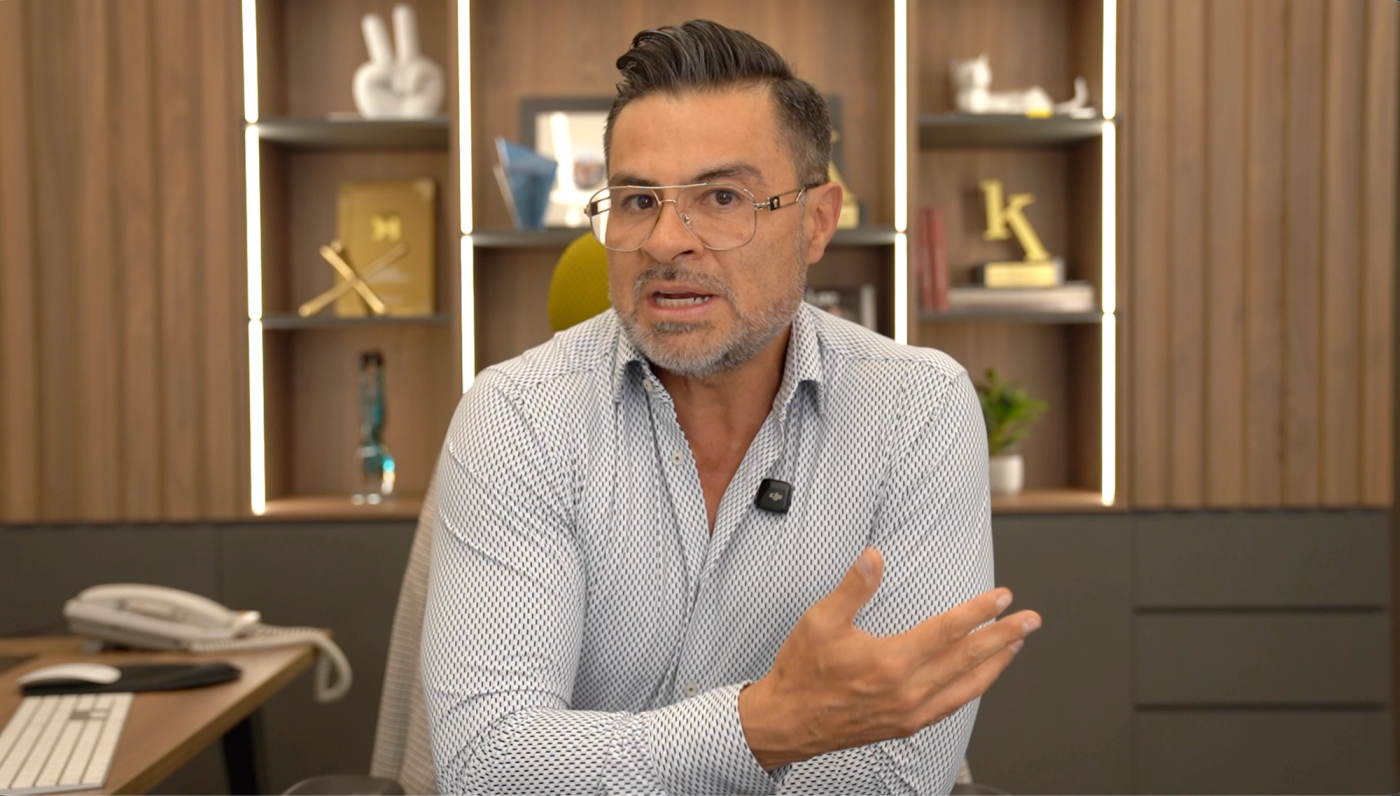
The Real Estate Future of Quito: Joan Proaño on Housing, Credit, and New Residential Communities
The real estate market in Quito is entering a new stage. In conversation with Booster Prop, Joan Proaño, founder of Proaño | Proaño, discusses the growth of Cumbayá, Tumbaco, and Puembo, the impact of new mortgage credits, and why the future of housing lies in building communities centered around people.
The real estate market in Quito is undergoing a transformation where simply offering a good location, square footage, and a competitive price is no longer sufficient. In our conversation with Joan Proaño, founder of Proaño | Proaño, we analyze how buyer priorities are changing, which areas are concentrating new opportunities, and what the sector must do to remain relevant in the coming years.One of the main changes relates to how people today understand a home. Buyers are no longer just looking for a property; they are seeking a life experience. Factors such as green spaces, security, mobility, common areas, well-being, and the possibility of being part of a community are increasingly influencing the purchasing decision.This evolution forces developers to think differently. The challenge is no longer simply to build more, but to design projects that better respond to how people want to live. In this context, concepts like wellness communities emerge, where architecture and common spaces aim to facilitate healthy habits, contact with nature, and an improved quality of life.
The conversation also addressed the growth of Cumbayá, Tumbaco, and Puembo, three areas that continue to attract investment and new real estate developments. However, as supply increases, having a project in the valleys is no longer a differentiator by itself. The location must be accompanied by a clear concept, a coherent value proposition, and a deep understanding of the target buyer.
Another central topic was financing. Alternatives like Credicasa and Miti-Miti can expand the purchasing capacity of certain families and create new opportunities for the market. When interest rates and access conditions change, so does the type of housing a person can acquire, and consequently, the demand that builders must interpret.For Joan Proaño, innovation will also be key. People's habits are changing faster than ever, while a real estate development can take several years from conception to delivery. This forces builders to anticipate: to design today with an eye on how their buyers will live in five or ten years.The interview leaves a clear conclusion: the future of real estate in Quito will depend less on selling square meters and more on deeply understanding people. Projects that manage to combine location, community, well-being, financing, quality, and a differentiated experience will be better positioned to compete in an increasingly demanding market.
Quito will continue to grow, but the real opportunity will lie in identifying what type of housing the city will need and how those who inhabit it will want to live.Cumbayá, Tumbaco y Puembo, tres zonas que continúan atrayendo inversión y nuevos desarrollos inmobiliarios. Sin embargo, a medida que aumenta la oferta, tener un proyecto en los valles deja de ser un diferencial por sí solo. La ubicación debe estar acompañada por un concepto claro, una propuesta de valor coherente y un profundo entendimiento del comprador al que se quiere llegar.
Otro de los temas centrales fue el financiamiento. Alternativas como Credicasa y Miti-Miti pueden ampliar la capacidad de compra de determinadas familias y generar nuevas oportunidades para el mercado. Cuando cambian las tasas y las condiciones de acceso al crédito, también cambia el tipo de vivienda que una persona puede adquirir y, en consecuencia, la demanda que deben interpretar las constructoras.
Para Joan Proaño, la innovación también será clave. Los hábitos de las personas cambian cada vez más rápido, mientras que un desarrollo inmobiliario puede tardar varios años desde su concepción hasta su entrega. Esto obliga a las constructoras a anticiparse: diseñar hoy pensando en cómo vivirán sus compradores dentro de cinco o diez años.
La entrevista deja una conclusión clara: el futuro del Real Estate en Quito dependerá menos de vender metros cuadrados y más de entender profundamente a las personas. Los proyectos que logren combinar ubicación, comunidad, bienestar, financiamiento, calidad y una experiencia diferenciada estarán mejor posicionados para competir en un mercado cada vez más exigente.
Quito seguirá creciendo, pero la verdadera oportunidad estará en identificar qué tipo de vivienda necesitará la ciudad y cómo querrán vivir quienes la habiten.