Real Estate Innovation in Quito: Efficiency, Sustainability, and New Ways to Sell
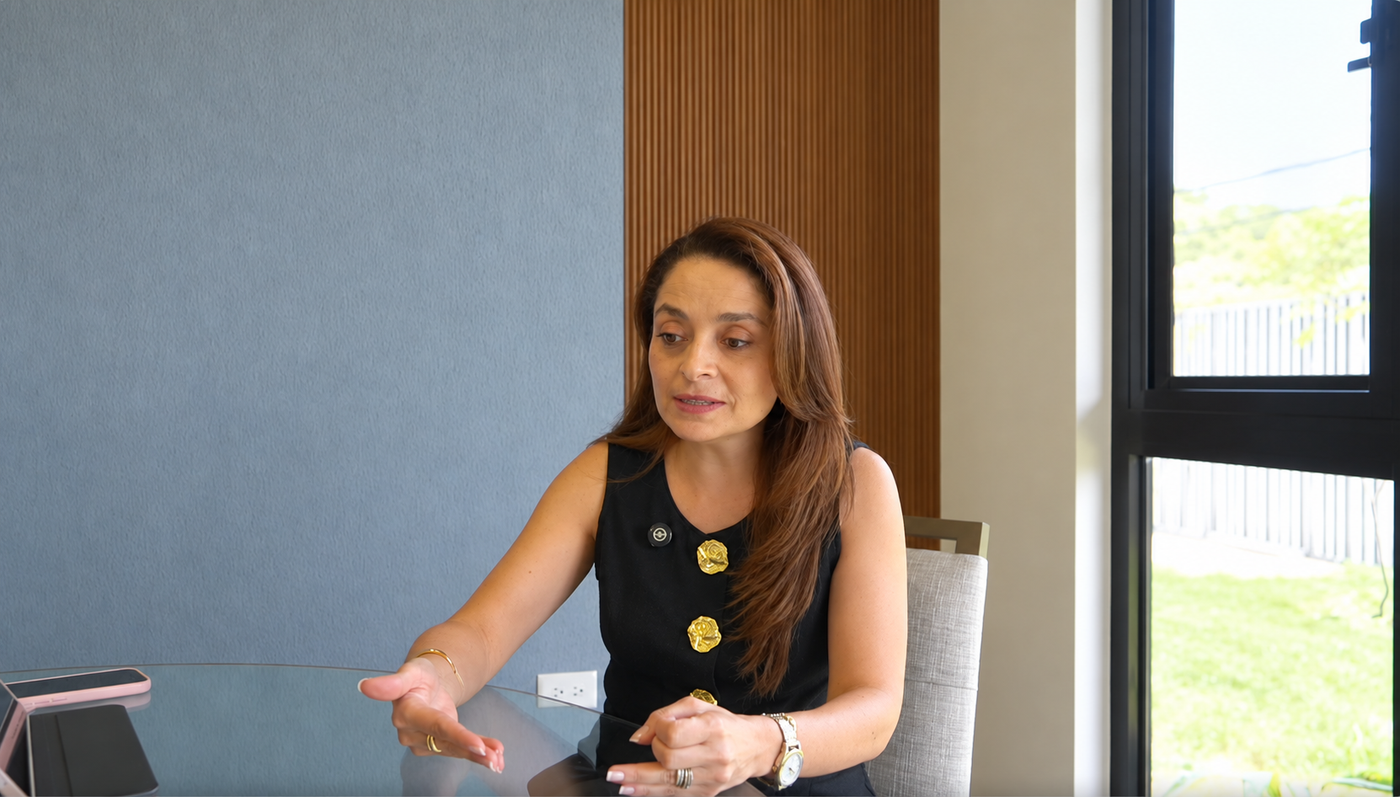
Innovating in Real Estate doesn't just mean incorporating technology. In a conversation with Cristina Elmir, Marketing and Sales Director of Elmir Real Estate Group, we analyze how constructive efficiency, sustainability, buyer knowledge, and smarter marketing are redefining real estate development in Quito.
Innovation doesn't always mean doing something completely new.
For years, much of the real estate innovation has been communicated through new amenities, technology within apartments, or increasingly sophisticated campaigns. But the conversation with Cristina Elmir presents a more interesting interpretation: innovating also means making what we already do more efficient. Efficiency in construction. Efficiency in resource use. Commercial efficiency. And, above all, a clearer experience for those looking to buy a property in Quito.Elmir Real Estate Group has been developing housing in the capital for over three decades and has made constructive innovation and sustainability part of its strategy. The company highlights the use of dry construction through Steel Frame, in addition to having obtained eco-efficient construction certifications in previous projects.Building better can also mean building more efficiently.One of the challenges of real estate innovation is that many of its benefits are not evident when a buyer visits a model apartment. A finish can be seen. A pool can also be seen. But aspects like the weight of materials, insulation, waste reduction, or energy efficiency are less visible and can have a significant impact on a building's performance over the long term. This presents a new challenge for builders: it's not enough to innovate technically; they must be able to explain why that innovation matters to those who will live there.Elmir has incorporated dry construction systems in its new buildings and links that decision to benefits such as reduced debris generation, insulation, and speed of execution.
La Carolina and Tumbaco: two buyers, two ways to communicate.
Commercial efficiency also starts with understanding that not everyone is looking for the same thing. Mythiko Residences, located in La Carolina, includes studios starting at 25 m² and also targets buyers interested in investment and rental. The location, connectivity, and potential for generating income take on particular weight in that decision.In Antalya Residences, in Tumbaco, the proposal changes. The project offers suites, flex apartments, and two-bedroom units, combining investment with options aimed at those looking to live in the valleys of Quito.The difference seems simple, but it contains an important lesson for real estate marketing: a project should not be communicated solely based on what it has, but rather from what the buyer needs to resolve.
Buying to live, buying a first home, and investing in real estate are different decisions. Trying to sell them with the same message creates noise and makes the entire commercial process less efficient.
The new challenge of real estate marketing: helping to decide.
Cristina entered the real estate sector after eleven years in the automotive industry and now leads marketing and sales at Elmir. This combination allows for viewing marketing from two extremes that many companies still keep separate: attracting the customer and understanding what happens when that customer actually tries to buy.
And here lies perhaps one of the most important challenges in real estate in Ecuador. The problem is no longer just generating leads. The buyer has portals, social media, WhatsApp, renders, virtual tours, advertising, and dozens of projects competing simultaneously for their attention. The opportunity lies in using those tools to reduce friction, better explain the product, and facilitate an informed decision.
Elmir's own digital trajectory reflects this evolution: its content has addressed topics such as mortgage credit in Ecuador, real estate investment, returns on properties, housing in La Carolina, and changes in the apartment market in Quito.It is a sign of where marketing can advance: less advertising that simply claims a project is 'the best' and more content that helps the buyer understand why a property may—or may not—be suitable for them.Sustainability, technology, and profitability are already part of the same conversation.
Sustainability should not be understood solely as an environmental responsibility. For the buyer and investor, it can also relate to operational efficiency, maintenance, durability, and asset value. Cristina has publicly developed this vision from sustainable construction and the valuation of green assets, while Elmir presents it as one of the pillars of its developments.
This forces the sector to move from selling certifications to explaining concrete benefits. Innovation becomes truly valuable when the buyer can understand how a technical decision affects their home, their expenses, or their daily experience.
More women making decisions in Ecuadorian Real Estate.
The conversation also opens another front of transformation: who is leading the industry. Cristina has publicly stated that being a woman in construction should not be seen as a barrier and has made empowering new generations of women one of her professional goals. In a sector historically associated with predominantly male technical and commercial profiles, broadening the diversity of those who design, market, and make decisions also means incorporating new perspectives on the product and the consumer.True real estate innovation consists of eliminating inefficiencies.
The interview with Cristina Elmir leaves a particularly relevant conclusion for the real estate market in Quito: innovating does not necessarily mean adding more. Many times it means doing better. Building using resources more efficiently. Designing products for specific buyers. Using technology when it solves a real problem. Connecting marketing with sales. Better explaining technical attributes. And supporting the buyer with useful information so they can make a decision.In a market with an increasing supply of apartments in Quito, La Carolina, Cumbayá, and Tumbaco, that efficiency may end up being one of the true differentiators. Because the future of real estate will likely not belong to those who can attract the most attention. It will belong to those who can better understand the buyer and eliminate friction between the search for a property and the decision to turn it into a home or investment., la propuesta cambia. El proyecto ofrece suites, departamentos flex y unidades de dos dormitorios, combinando inversión con alternativas orientadas a quienes buscan vivir en los valles de Quito.
La diferencia parece sencilla, pero contiene una lección importante para el marketing inmobiliario: un proyecto no debería comunicarse únicamente desde lo que tiene, sino desde lo que el comprador necesita resolver.
Comprar para vivir, comprar una primera vivienda e invertir en bienes raíces son decisiones distintas. Pretender venderlas con el mismo discurso genera ruido y hace menos eficiente todo el proceso comercial.
El nuevo reto del marketing inmobiliario: ayudar a decidir
Cristina llegó al sector inmobiliario después de once años trabajando en la industria automotriz y hoy lidera marketing y ventas dentro de Elmir. Esa combinación permite mirar la comercialización desde dos extremos que muchas empresas todavía mantienen separados: atraer al cliente y entender qué sucede cuando ese cliente realmente intenta comprar.
Y ahí aparece quizás uno de los desafíos más importantes del Real Estate en Ecuador.
El problema ya no es solamente generar leads.
El comprador tiene portales, redes sociales, WhatsApp, renders, recorridos virtuales, publicidad y decenas de proyectos compitiendo simultáneamente por su atención. La oportunidad está en utilizar esas herramientas para reducir fricción, explicar mejor el producto y facilitar una decisión informada.
La propia trayectoria digital de Elmir refleja esa evolución: su contenido ha abordado temas como crédito hipotecario en Ecuador, inversión inmobiliaria, retorno sobre inmuebles, vivienda en La Carolina y cambios en la oferta de departamentos en Quito.
Es una señal de hacia dónde puede avanzar la comercialización: menos publicidad que simplemente afirma que un proyecto es “el mejor” y más contenido que ayuda al comprador a entender por qué una propiedad puede —o no— ser adecuada para él.
Sostenibilidad, tecnología y rentabilidad ya forman parte de la misma conversación
La sostenibilidad tampoco debería entenderse únicamente como una responsabilidad ambiental.
Para el comprador y el inversionista, también puede relacionarse con eficiencia operativa, mantenimiento, durabilidad y valor del activo. Cristina ha desarrollado públicamente esta visión desde la construcción sustentable y la valoración de activos verdes, mientras Elmir la presenta como uno de los pilares de sus desarrollos.
Esto obliga al sector a pasar de vender certificaciones a explicar beneficios concretos.
La innovación se vuelve realmente valiosa cuando el comprador puede comprender cómo una decisión técnica afecta su vivienda, sus gastos o su experiencia cotidiana.
Más mujeres tomando decisiones en el Real Estate ecuatoriano
La conversación también abre otro frente de transformación: quiénes están liderando la industria.
Cristina ha planteado públicamente que ser mujer en construcción no debería entenderse como una barrera y ha hecho del impulso a nuevas generaciones de mujeres uno de sus propósitos profesionales.
En un sector históricamente asociado a perfiles técnicos y comerciales predominantemente masculinos, ampliar la diversidad de quienes diseñan, comercializan y toman decisiones también significa incorporar nuevas perspectivas sobre el producto y el consumidor.
La verdadera innovación inmobiliaria consiste en eliminar ineficiencias
La entrevista con Cristina Elmir deja una conclusión especialmente relevante para el mercado inmobiliario de Quito: innovar no significa necesariamente agregar más. Muchas veces significa hacer mejor.
Construir utilizando recursos de manera más eficiente. Diseñar productos para compradores concretos. Utilizar tecnología cuando resuelve un problema real. Conectar marketing con ventas. Explicar mejor los atributos técnicos. Y acompañar al comprador con información útil para que pueda tomar una decisión.
En un mercado con cada vez más oferta de departamentos en Quito, La Carolina, Cumbayá y Tumbaco, esa eficiencia puede terminar siendo uno de los verdaderos diferenciales.
Porque el futuro del Real Estate probablemente no pertenezca a quien consiga llamar más la atención.
Pertenecerá a quienes sean capaces de entender mejor al comprador y eliminar fricción entre la búsqueda de una propiedad y la decisión de convertirla en hogar o inversión.